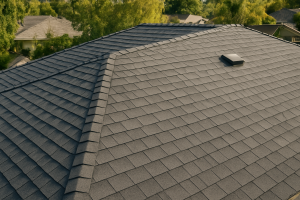


Every fall, Santa Ana winds push hot, dry air through Temecula and the surrounding valley. The gusts that rattle patio umbrellas and fill pools with leaves can also lift shingles, shift tile, move debris, and expose weaknesses that have developed in a roofing system over time.
A loose tile, aging shingle, deteriorated sealant, or clogged valley may not cause an immediate problem during the summer, but strong winds and rain can make an existing weakness worse. A simple roof check, along with routine roof maintenance when needed, can help identify smaller issues before they become larger problems.
October is a good time to take a look. Santa Ana wind season is underway, and seasonal rain is still ahead.
Why October Is the Right Time
Summer is hard on roofs in the Temecula Valley. Months of strong sun and high temperatures can contribute to wear on roofing materials and exposed sealants. Foot traffic from solar, HVAC, or other work performed on the roof can also result in cracked or displaced tile, while leaves, palm debris, and other material may collect in valleys and gutters during the dry months.
By October, some of those conditions may already be present. Finding a loose tile, damaged flashing, clogged valley, or another vulnerable area now gives you an opportunity to address it before strong winds or rain make the problem worse.
Safety First: Check From the Ground
You do not need to climb onto your roof to do this check, and we recommend that you do not. Tile can break under foot traffic, and falls from roofs are a serious risk. Use binoculars from the yard or street, look from a second-story window if you can safely see part of the roof, and check accessible attic areas with a flashlight. If something looks wrong, a roofer can evaluate it more closely.
The 8 Point Roof Check
1. Ridge and hip caps
The caps running along the peaks and hips of the roof are some of the areas most exposed to wind. On tile roofs, look for ridge or hip caps that appear cracked, shifted, loose, missing, or noticeably out of line with the surrounding pieces. If your roof has mortared ridge or hip caps, visible cracking or separation in the mortar can also be a sign that the area needs attention. On shingle roofs, look for ridge-cap shingles that appear lifted, curled, torn, or missing. A cap that has already loosened or deteriorated may be more vulnerable when strong Santa Ana winds arrive.
2. Slipped, cracked, or missing tile and shingles
Scan each roof slope for tile that sits out of line with the surrounding rows, visible cracks, missing pieces, or gaps where roofing material should be. On shingle roofs, look for shingles that appear lifted, damaged, or missing. Pay particular attention to areas around solar panels, satellite dishes, and other rooftop equipment, where previous foot traffic or installation work may have affected nearby roofing materials.
3. Flashing at walls, chimneys, and valleys
Flashing is metal that helps protect the areas where the roof meets walls, chimneys, valleys, and other transitions. From the ground, look for flashing that appears bent, displaced, lifted, or otherwise damaged. Flashing and the sealants used around certain roof details can deteriorate over time in Temecula’s hot summers, and strong winds or wind-driven rain may expose an existing weakness.
4. Vents and other roof penetrations
Plumbing vents, attic vents, and exhaust caps all pass through the roof. Check for cracked rubber boots around pipes and loose or damaged vent covers. In fire-prone areas, ember-resistant vents also help keep wind-blown embers out of the attic during fire season.
5. Valleys and gutters full of debris
Valleys are the channels where two roof slopes meet, and they carry a large share of the roof’s water. Leaves, palm debris, pine needles, dirt, and other material can collect there throughout the dry season. When rain arrives, that buildup can slow or redirect water instead of allowing it to drain freely from the roof. Clogged gutters cause the same problem at the roof edge. Keeping valleys, gutters, and other drainage areas clear is a basic but important part of roof maintenance.
6. Trees, palm fronds, and overhanging branches
Branches that touch or hang over the roof can scrape against tile or shingles during high winds or break and fall onto the roof. Dead palm fronds are especially easy for Santa Ana winds to tear loose. Have overhanging or dead growth trimmed back before heavy wind events when possible. If a branch or large piece of debris lands on the roof, have the affected area checked even if the damage is not obvious from the ground.
7. The attic underside
On a dry day, take a flashlight into the attic and look at the underside of the roof deck. Look for water staining, dark or discolored wood, damp areas, wet or damaged insulation, or signs that water has traveled along the framing or roof deck. Also look at visible attic ventilation openings and make sure they do not appear to be blocked by insulation or other materials. Proper attic airflow is an important part of the overall roofing system, especially in the heat of the Temecula Valley.
8. Solar panels, dishes, and other rooftop equipment
Anything mounted to your roof is a potential leak point and a potential wind hazard. Look for loose mounting hardware, displaced tile around mounts, and cables or conduit that have come free. If something has moved or the surrounding roofing looks damaged, the area should be evaluated.
The Santa Ana Damage We See Most in Temecula
After a strong wind event, the calls we receive from Temecula homeowners tend to follow a familiar pattern.
On tile roofs, ridge and hip caps are a common trouble spot, especially where mortar has cracked or deteriorated after years of heat exposure. We also see slipped or displaced field tile, often near roof edges and other areas where strong winds can get underneath the roofing.
Shingle roofs can take significant wind damage as well. As shingles age, the seal between courses can weaken. Once shingles begin to lift, strong Santa Ana winds can catch them and cause creasing, tearing, or complete blow-off. Damage can start in a small area and spread quickly during stronger gusts, especially along roof edges, ridges, and other exposed sections.
Another issue we see after Santa Ana winds is debris. Leaves, palm fronds, dust, and other material can collect in valleys and gutters. When rain follows, that buildup can interfere with drainage and cause water to back up in areas that are designed to move it off the roof.
Keeping valleys and gutters clear is one of the simplest maintenance steps homeowners can take before the rainy season.
What to Do If You Find Something
Take a photo, note the location, and call a licensed roofer before the wind or rain arrives. Most of the problems on this list are quick repairs when they are caught early: resetting a few tiles, resealing flashing, replacing a cracked vent boot, or clearing a valley. The same problems found after a storm often come with interior water damage. If you see several issues at once, or if the attic shows staining in more than one area, an inspection will tell you whether you need a targeted repair or a larger plan.
Get the Printable Checklist
Want a copy of this 8 point check to keep by the door or hand to a family member? Enter your name and phone number and we will send you the printable checklist.
Schedule a Santa Ana Season Roof Inspection
If you would rather have a professional handle it, Weathertight Roofing offers roof inspections throughout Temecula and the surrounding area. Our W-2 crews document what they find with photos and give you a written recommendation, whether that is a small roof repair in Temecula, a plan for roof replacement in Temecula, or scheduled roof maintenance to keep small problems from building up. Family-owned since 1983, we would much rather help you take care of a loose tile or small maintenance issue in October than deal with a roof leak once the rains pick up. Call 951-929-0557 to schedule.