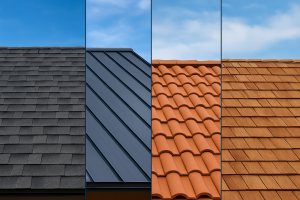

One of the most common questions homeowners ask us is whether their roof should be repaired or replaced. Sometimes there is a leak over one room. Sometimes damage is found during a home inspection. Other times, the roof is simply getting older and the homeowner wants to know how much life it may have left.
Weathertight Roofing has been serving Riverside County since 1983, and there is no one answer that applies to every roof. A repair may make perfect sense when the problem is isolated and the rest of the roofing system is still in good condition. In other cases, continuing to repair an aging or deteriorated roof may no longer be the best use of your money.
The decision usually comes down to the roof’s age, condition, roofing system, how widespread the problem is, and what is happening beneath the visible roofing material.
Why the Decision Is Harder Than It Looks
A roof is more than the material you see from the ground. Shingles, tile, metal, or another roof covering are only part of the system. Underneath are components such as underlayment, flashing, ventilation, penetrations, and the roof deck, and those components do not always age at the same rate.
That is why two roofs that look similar from the street may need completely different solutions. A 25-year-old concrete tile roof in Temecula may still have serviceable tile while the underlayment beneath it has deteriorated. A shingle roof in Hemet may look weathered but still have a solid roof deck and only one failed flashing causing the problem.
The condition of the roofing system as a whole matters more than appearance alone.
Start With Four Questions
1. How old is the roof, and what type of roofing system is it?
Age matters, but it should be considered along with the roofing material and its overall condition.
Asphalt shingles gradually deteriorate from sun, heat, weather exposure, and normal aging. Widespread granule loss, cracking, curling, or brittleness can be signs that the roof is getting closer to the end of its useful service life.
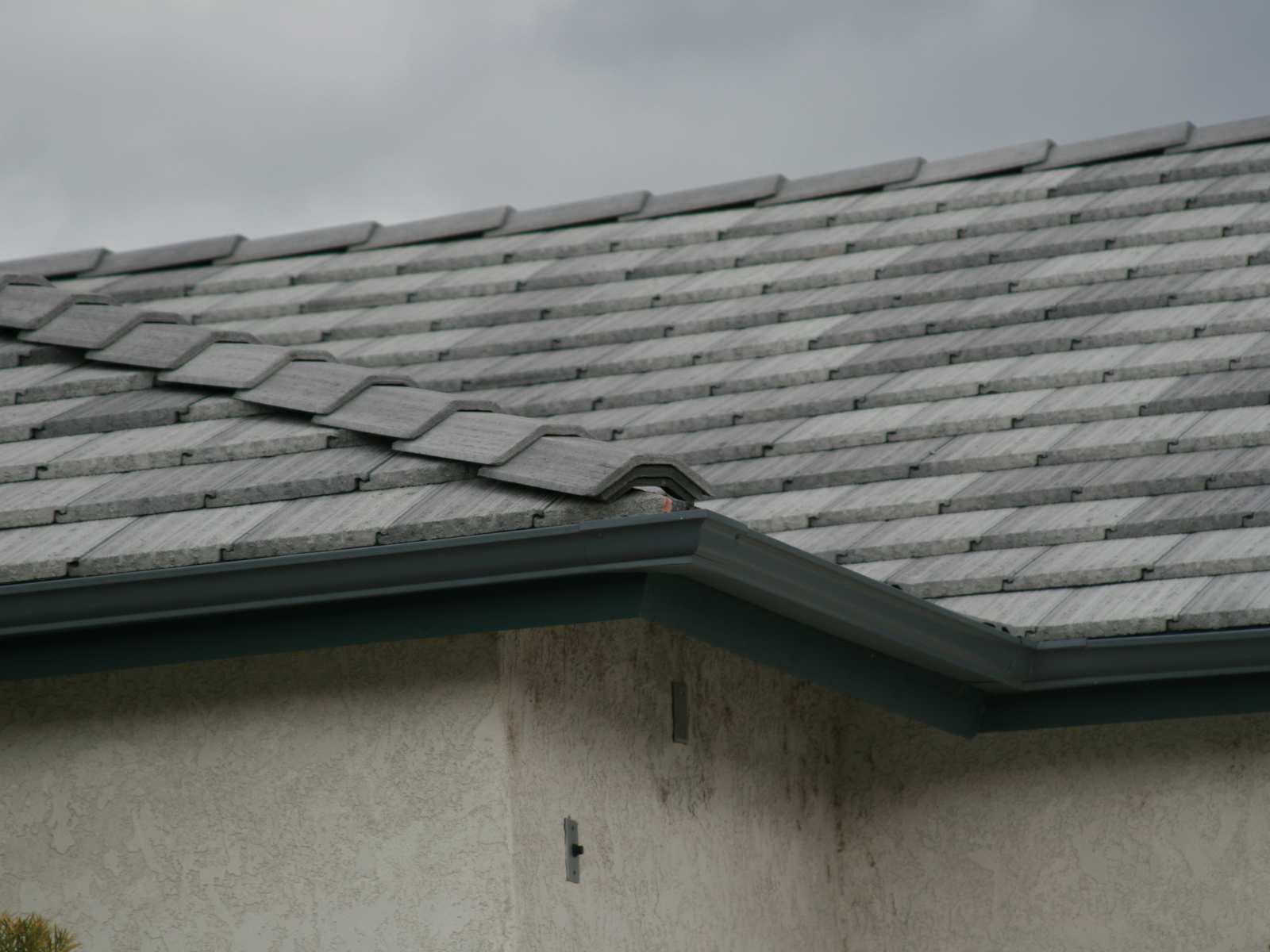
Concrete and clay tile roofs are different. The tile itself can remain serviceable for many years while the underlayment beneath it wears out sooner. On an older tile roof, the condition of the underlayment may matter more than the age of the tile itself.
If you do not know when your roof was installed, permit records, purchase documents, previous roofing invoices, or other property records may help establish its approximate age. If none of those are available, an experienced roofer can often estimate the roof’s age based on the materials, installation style, and their current condition.
2. How widespread is the damage?
Localized problems are usually better candidates for repair.
One failed flashing, a damaged roof penetration, a limited area of wind damage, or a small section of slipped or broken tile may be repairable when the surrounding roofing system is still in good condition.
The decision changes when problems are appearing across different areas of the roof. Multiple leaks, repeated repairs followed by failures somewhere else, widespread shingle deterioration, or extensive problems with tile underlayment may be signs that repairing one area will not address the condition of the roof as a whole.
3. What condition are the roof deck and underlayment in?
What is happening underneath the visible roofing material can be one of the biggest factors in deciding whether a repair makes sense. Damaged roof decking, widespread moisture damage, deteriorated underlayment, or other underlying problems can limit what a surface repair will accomplish. Some of these conditions can be identified during an inspection. Others are concealed beneath the existing roofing material and may not become fully visible until materials are removed.
When the underlying components are still serviceable and the problem is localized, a properly completed repair may help extend the useful life of the roof.
4. What are your plans for the property?
Your plans for the home matter too.
If the roof is otherwise in good condition and the problem can be properly repaired, replacing the entire roof may not make sense. On the other hand, if you plan to stay in the home for many years, are considering adding solar, or are already paying for repeated roof repairs, it may be worth comparing the long-term cost of replacement with continuing to invest in an aging roof.
The goal should be to choose the option that makes sense for both the condition of the roof and your plans for the property.
When Roof Repair Is the Right Answer
We generally recommend repair when the problem is localized and the surrounding roofing system still has meaningful service life remaining.
Common repair situations we see throughout Riverside County include:
- Wind damage from Santa Ana winds affecting a limited area of shingles or tile
- A leak traced to a specific flashing, valley, roof-to-wall transition, or penetration
- Broken or slipped tile where the surrounding roofing is still serviceable
- Damage around a plumbing vent, skylight, chimney, or HVAC penetration
- Localized damage around a satellite dish, solar installation, or other roof-mounted equipment
- A leaking patio-cover tie-in or other isolated roof transition
A proper roof repair addresses the actual source of the problem rather than simply covering the area where water became visible inside the home.
Water can travel along underlayment, framing, or other components before it finally appears on a ceiling. That is why finding where the water is actually entering the roofing system is so important.
When Roof Replacement Makes More Sense
Replacement may be the better option when deterioration is widespread, the roof is approaching the end of its useful service life, or continued repairs are unlikely to provide a reasonable long-term result.
Conditions that may point toward replacement include:
- Leaks developing in multiple areas of the roof
- Repeated repairs followed by new failures elsewhere
- Widespread cracking, curling, brittleness, or significant granule loss on shingles
- Multiple existing roofing layers that make the underlying condition more difficult to evaluate
- Soft, sagging, or water-damaged roof decking
- Widespread deterioration of the underlayment beneath a tile roof
- Roofing materials that are badly deteriorated, discontinued, or increasingly difficult to repair effectively
If we recommend replacement, we want the homeowner to understand why. Photos and an explanation of the conditions found should support the recommendation rather than asking you to simply take a contractor’s word for it.
The Middle Options Most Homeowners Do Not Know About
Repair and full replacement are not the only choices. On many tile roofs, a tile lift-and-relay can be a good middle option. We remove the existing tile, stack it, install new underlayment and flashing, then reinstall the same tile and replace any broken pieces. You get a new waterproofing layer without paying for all-new tile, and the roof keeps the look your HOA already approved. This is a common option for the 1980s and 1990s tile neighborhoods in Moreno Valley, Menifee, and Temecula. On flat and low-slope roofs, a reflective roof coating can sometimes extend the life of a roof that is still structurally sound and dry. Coatings are not a cure for wet insulation, soft decking, or a failing roof system, so the roof has to qualify first. For some manufactured homes with an existing aluminum roof in suitable condition, a coating system may also provide an option between localized repairs and full roof replacement.
How Riverside County Conditions Affect the Decision
Roofs throughout Riverside County and the Inland Empire are exposed to prolonged sun, high summer temperatures, strong UV exposure, seasonal winds, and periods of heavy rain. Over time, those conditions can contribute to deterioration of shingles, underlayment, sealants, and other roofing components.
For example, roofs in hotter inland communities such as Hemet and Perris receive significant sun and heat exposure throughout the year. Santa Ana winds can also expose weaknesses in aging roofing systems throughout areas such as Moreno Valley and the San Jacinto Valley, particularly when roofing materials or other components have already begun to deteriorate from sun exposure.
Local requirements also matter when a roof is replaced versus repaired. Depending on the property and jurisdiction, a reroof may be subject to applicable California building requirements, Title 24 energy requirements, fire requirements, permitting, and inspections. HOA approval may also be required for certain roofing material or color changes.
These are all things that should be considered before the project begins so the homeowner understands the scope of the work.
A Quick Roof Check Before You Call
You do not need to climb onto your roof to gather useful information before scheduling an evaluation.
You can:
- Look for the approximate age of the roof in permit records, purchase documents, or previous roofing invoices
- Check gutters and downspouts for excessive shingle granules
- Look from the ground for missing shingles, slipped or broken tile, or visibly displaced roofing materials
- Check accessible attic areas for water staining, moisture damage, or signs of previous leaks
- Make note of where and when you have seen interior staining or water intrusion
- Think about whether the problem has happened once or has occurred repeatedly
This information can help the roofer understand the history of the problem, but it should not replace an in-person roof evaluation.
Red Flags to Watch for in a Roofing Estimate
Whether a contractor recommends repair or replacement, the recommendation should be supported by what is actually happening on the roof.
Some things worth questioning include:
- A full roof replacement recommendation with little or no explanation of the conditions found
- Pressure to sign immediately, especially after a storm
- A proposal to install over existing roofing without explaining whether that approach is appropriate for the property
- No written scope of work
- For work that requires a permit, no discussion of permitting or inspections
- No contractor license information
- Vague answers about who will actually be performing the roofing work
California homeowners can verify a contractor’s license through the Contractors State License Board (CSLB) before hiring them.
How We Make the Call with You
At Weathertight Roofing, we evaluate the roof in person rather than relying on aerial images alone. When safely accessible, our estimator gets on the roof, takes measurements, and looks for visible conditions that could affect the scope and cost of the work. Some concealed conditions cannot be confirmed until tear-off, but our goal is to identify as much as possible beforehand.
If the roof can be properly repaired and still has useful service life remaining, we will recommend the repair. If its overall condition makes replacement, a tile lift and relay, or another roofing solution the better choice, we will explain why and show you the conditions behind that recommendation. The reputation we have built since 1983 depends on giving homeowners an honest answer to exactly this question.
That approach reflects who we are as a family-owned and operated company built on four generations of roofing experience. And when you hire Weathertight Roofing, the roofing work is performed by our own W-2 production crews, covered under our workers’ compensation insurance, not subcontracted production crews or day laborers.
If you are weighing a repair against a replacement, start with an in-person roof evaluation. Learn more about roof repair in Moreno Valley, roof repair in Temecula, and roof repair in Hemet, or about roof replacement in Moreno Valley, Temecula, and Hemet. To schedule a free estimate, call 951-929-0557.