

Hiring a roofing contractor in the Inland Empire is one of the most significant investments a homeowner makes — and one of the easiest decisions to get wrong.
Across Hemet, San Jacinto, Temecula, Menifee, Beaumont, Banning, Lake Elsinore, and Moreno Valley, roofs face prolonged UV exposure, extreme summer heat, wind uplift, and seasonal rain. California also layers on specific building code requirements — from cool roof compliance under Title 24 to ventilation standards — that not every contractor is equipped to handle correctly.
A proper roof repair or roof replacement requires more than shingles. It requires experience, system knowledge, code compliance, and a roofing contractor who will still be answering the phone years from now.
Before signing anything, ask these 10 questions.
1. How Long Has Your Roofing Company Actually Been in Business?
Be cautious with phrases like “50 years of experience.”
Some roofing companies advertise decades of experience, but their company may have only been operating for a short time. That experience could belong to one individual — not the crew installing your roof.
Ask:
- When did your company open?
- How long have you served Hemet and the San Jacinto Valley?
- Is the experience company-wide or tied to one person?
A workmanship warranty only has value if the company is still in business to honor it.
Weathertight Roofing was established in 1983. Our combined field experience exceeds 100 years with employees that have been with us from 10 to 35 years. The owner and president are four generations of family roofing experience. Roofing isn’t a trade we picked up recently, it is our profession and legacy.
2. Are Your Installers W-2 Employees and Fully Covered?
This question directly protects you as the homeowner. Many roofing companies operate with subcontracted labor: crews that rotate job to job, are not trained under company standards, and may not be covered under the company’s insurance policies. Some contractors go further, using workers paid under the table with no coverage at all.
Ask:
- Are installers employees (W-2) or subcontractors (or even paid under the table)?
- Are all workers covered under Workers’ Compensation?
- Can you provide proof of coverage before work begins?
When a roofing contractor relies on uninsured or subcontracted labor, liability for injuries on your property can shift to you. W-2 employees are trained under company standards and covered under company insurance policies.
At Weathertight Roofing, all installers are W-2 employees covered under Workers’ Compensation, General Liability, and Excess Liability insurance. We do not pick up day laborers or subcontract any of our roofing work. Each employee is trained and certified by major roofing manufacturers.
3. Are You Manufacturer Certified — and Do You Offer Extended Warranties?
Certification and extended warranty access go hand in hand.
Ask:
- Are you certified by the manufacturer of the roofing system being installed?
- Do you offer extended or upgraded manufacturer warranties?
- What conditions must be met to qualify?
- How much is an extended warranty?
Extended warranties are typically only available through certified contractors who install complete roofing systems according to manufacturer specifications — including proper ventilation and required accessory components. A contractor who cannot offer extended warranty options should be able to explain why.
Most manufacturer warranties can also be registered directly on the manufacturer’s website. In many cases, a paid invoice is sufficient documentation for a warranty claim — ask your contractor what records you should keep after the job is complete.
4. Will You Evaluate Attic Ventilation?
Ventilation directly impacts roof lifespan and performance. Inland Empire summers put constant heat stress on roofing systems. Roofs with improper ventilation can significantly shorten the lifespan of your roof and also affect your electric bill. Proper attic ventilation is also a California Building Code requirement, not an optional upgrade.
California Building Code requires a minimum net free ventilation area of 1:150 of the attic floor space. However, that ratio can be reduced to the more commonly applied 1:300 ratio when the system is properly balanced — meaning 40 to 50 percent of ventilation is provided by upper exhaust vents located near the ridge, with the remaining ventilation provided by intake vents at the soffits or eaves.
A contractor who does not calculate this balance is not meeting code — they are guessing. An unbalanced system creates pressure differentials that accelerate moisture buildup, shorten shingle life, and can void manufacturer warranties even on brand-new materials.
Ask:
- Are you calculating my attic’s intake and exhaust ventilation balance?
- Does my roof currently meet California Building Code ventilation requirements?
- What corrections are recommended if ventilation is insufficient?
Improper ventilation is one of the most commonly skipped steps by lower-cost contractors — and one of the most expensive problems a homeowner discovers after the job is done.
5. Are You Installing a Cool Roof System — and Is It Title 24 Compliant?
California’s Title 24 Building Energy Efficiency Standards require cool roof compliance for residential roof replacements in specific climate zones — and most of the Inland Empire falls squarely within those zones.
Most of Weathertight Roofing’s service area falls within California Climate Zone 10, which includes Hemet, San Jacinto, Temecula, Murrieta, Menifee, Lake Elsinore, Moreno Valley, and Beaumont. In Climate Zone 10, when 50% or more of the roof is being replaced, cool roof compliance is required. There are three paths to compliance: installing a cool roof product rated by the Cool Roof Rating Council (CRRC) with a minimum Solar Reflectance Index (SRI) of 16, installing a qualifying radiant barrier, or adding sufficient attic insulation above the roof deck. In most cases, the contractor will comply by installing a CRRC-rated shingle that meets the SRI requirement — but homeowners should confirm which path is being used and why.
Banning sits at a higher elevation transitional area and may fall within a different climate zone depending on the specific address — your contractor should verify your exact zone using the California Energy Commission’s climate zone tool before your project begins.
Idyllwild falls within Climate Zone 16, a mountain zone where cool roof requirements do not apply to residential steep-slope roofs.
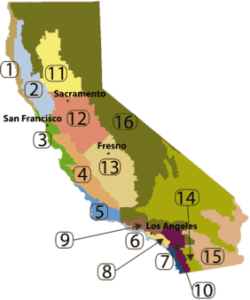
California’s 16 Title 24 climate zones determine cool roof compliance requirements. Most of the Inland Empire falls in Zone 10. Source: Cool California / California Air Resources Board.
Ask:
- Is the roofing product CRRC-rated?
- Does my home fall under Title 24 cool roof requirements?
- What alternative will work for my home if my preferred shingle does not meet the SRI requirement?
Understanding your climate zone matters because cool roof requirements vary depending on your location, roof slope, and project scope. A qualified roofing contractor in the Inland Empire should be able to confirm your climate zone and compliance path before the job begins — not after the permit is pulled.
6. Will You Pull the Required Permits and Ensure Code Compliance?
In California, licensed specialty contractors are legally responsible for pulling required permits for construction work.
Some contractors will attempt to convince homeowners to pull their own permit, often framed as a way to “save money” or “speed up the process.”
Do not agree to this.
When a homeowner pulls their own permit, they assume legal responsibility for code compliance and liability for the work performed. A licensed roofing contractor should handle permitting entirely. That is part of what you are paying for.
Ask:
- Will you obtain the required permit?
- Will inspections be scheduled and documented?
- Does the installation meet current California Building Code requirements?
A professional roofing contractor manages compliance from start to finish.
⚠️ Red flag: If a roofer suggests you pull your own permit to “save money,” walk away. That transfers legal liability to you and signals the contractor may be cutting corners elsewhere.
7. What Exactly Is Included in the Roof Repair or Roof Replacement Scope?
Every professional roofing proposal should include a detailed written scope of work. Verbal commitments are not enough.
Ask:
- Are flashings being replaced or just resealed?
- What underlayment system is included?
- How are rotted or damaged decking boards identified and handled?
- Will I receive before-and-after photo documentation?
Clear written scope prevents disputes, ensures full accountability, and gives you a reference point if questions arise after the job is complete.
8. Who Supervises the Job and How Will Communication Work?
Ask before work begins — not after a miscommunication has already cost you time or money.
Ask:
- Who is my direct point of contact throughout the project?
- Who supervises the job site on a daily basis?
- How are change orders handled and approved?
- What is the payment schedule and what triggers each payment?
Professional roofing companies operate with clear systems and defined communication. If a contractor cannot answer these questions before the job starts, that tells you something about how they will operate during it.
9. Can You Provide Local References or Recent Projects?
A roofing contractor serving the Inland Empire should be able to point to real, recent work in your area.
Ask:
- Do you have recent projects completed in Hemet, San Jacinto, or the surrounding Inland Empire?
- Can I see examples of similar roof types — tile, TPO, composition shingle — installed in my area?
Local references demonstrate genuine experience with regional building styles, HOA requirements, and the specific climate demands of Southern California’s inland communities. A contractor who cannot provide them may not have the local track record they are advertising.
At Weathertight, we are happy to provide references of roofs completed near your home. You can also check out our projects anytime on our website or ask us to see a roof we installed in a specific color you are interested in.
10. Do You Have a Physical Office and Can I Verify Your License?
This question separates established local contractors from unlicensed operators.
California has one of the highest rates of unlicensed contractor activity in the country. The California Contractors State License Board (CSLB) conducts regular sting operations throughout Southern California because unlicensed contracting is such a persistent and widespread problem in our region. These operators often work door to door, offer unusually low estimates, pull no permits, and are unreachable when problems surface after the job.
Ask:
- Do you have a physical office location I can visit?
- What is your California contractor license number?
- Are you licensed, bonded, and insured — and can you provide proof of all three before work begins?
Every licensed California roofing contractor can be verified in minutes at cslb.ca.gov. Take the license number they give you and verify it yourself — a legitimate contractor will hand it over without hesitation.
Weathertight Roofing has been a locally rooted, brick-and-mortar operation serving the Inland Empire since 1983. We are licensed, bonded, and insured — and we encourage every homeowner to verify it.
CA Contractor License #643691 Verify at: cslb.ca.gov
The Real Question When Hiring a Roofing Contractor: Will They Be Here in 10–20 Years?
A roof is expected to last decades. Your contractor should too. If something goes wrong in year five or year ten, your roofing contractor needs to still be in business, still be local, and still be answering the phone.
When comparing roof repair or roof replacement estimates in Hemet, the San Jacinto Valley, and the greater Inland Empire, look beyond price. Verify coverage. Confirm licensing. Review ventilation. Understand cool roof compliance. Demand written documentation.
At Weathertight Roofing, we have been serving Hemet, San Jacinto, and the surrounding Inland Empire since 1983 — and we will still be here in the decades to come. Our fourth-generation ownership means this isn’t just a business to us. It’s our name, our community, and our legacy.
Choose a roofing contractor in the Inland Empire positioned to stand behind the work long-term.
Key Takeaways for Inland Empire Homeowners
Before hiring a roofer, confirm:
- ✅ Actual years in business — not just individual experience claims
- ✅ W-2 employees and verified insurance coverage
- ✅ Manufacturer certification and extended warranty eligibility
- ✅ Attic ventilation evaluation included in scope
- ✅ Title 24 cool roof compliance confirmed for your climate zone
- ✅ Permits pulled and managed by the contractor
- ✅ Detailed written scope of work
- ✅ Local project references available
- ✅ Physical office location and verified CSLB license
The difference between a professional roofing contractor and a risky one most often comes down to transparency and accountability.
Schedule a Free Roofing Estimate in the Inland Empire
Weathertight Roofing has served the San Jacinto Valley and greater Inland Empire since 1983. Our crews bring over 100 years of combined field experience, and are certified by major manufacturers.
We provide commercial and residential roof repair, roof replacement, and complete roofing services in Hemet, San Jacinto, Menifee, Beaumont, Banning, Murrieta, Temecula, Lake Elsinore, Idyllwild, Yucaipa, and more.
📞 Call (951) 929-0557 or contact us online to schedule your free roofing estimate.
Protect your home with a roofing contractor built to stand behind the work for years to come.
Frequently Asked Questions
What questions should I ask before hiring a roofing contractor in Southern California? Ask whether the company is licensed and insured, how long they have been in business, whether their workers are W-2 employees, whether they offer manufacturer-certified warranties, whether they will pull permits, and whether the materials meet California Title 24 cool roof requirements for your climate zone. Also verify their physical office address and CSLB license number at cslb.ca.gov.
What is Title 24 and how does it affect roof replacement in the Inland Empire? California’s Title 24 Building Energy Efficiency Standards require that many residential roof replacements use CRRC-rated roofing materials that meet minimum solar reflectance and thermal emittance values. Most of the Inland Empire falls in Climate Zone 10, where cool roof compliance is required when 50% or more of the roof is being replaced. A qualified roofing contractor should confirm your climate zone and compliance path before work begins. Review the official standards at the California Air Resources Board.
Should a roofing contractor pull the permit or should the homeowner? In California, licensed contractors are responsible for pulling permits for roofing work. If a roofer asks you to pull your own permit to save money, that is a red flag. It transfers legal and compliance liability to you as the homeowner.
What is a cool roof and do I need one in the Inland Empire? A cool roof uses CRRC-rated materials that reflect more sunlight and release heat more effectively than standard roofing. Most Inland Empire cities — including Hemet, Temecula, San Jacinto, Menifee, Lake Elsinore, Moreno Valley, and Beaumont — fall within California Climate Zone 10, where cool roofs are required when 50% or more of the roof is replaced. Banning falls in Zone 15 with similar requirements. Idyllwild falls in Zone 16, where cool roof requirements do not apply to residential steep-slope roofs. Learn more at the CRRC California Title 24 resource page.
How do I verify a roofing contractor’s license in California? Visit cslb.ca.gov and search by the contractor’s name or license number. You can confirm whether their license is active, what type of work they are licensed for, and whether any complaints or disciplinary actions have been filed. A legitimate roofing contractor will provide their license number without hesitation. Weathertight Roofing Inc.’s CA License number is 643691
How long does a roof replacement take in the Inland Empire? Roof replacement timelines vary depending on the size and complexity of the roof, the materials being installed, and the extent of any decking repairs needed. Your contractor should provide a timeline specific to your project before work begins.
What is the difference between a roof repair and a roof replacement? A roof repair addresses isolated damage — missing shingles, flashing leaks, small punctures — without replacing the full roofing system. A roof replacement removes and replaces the entire roofing system down to the decking. A qualified roofing contractor will inspect your roof and recommend the option that best fits the age, condition, and scope of damage.